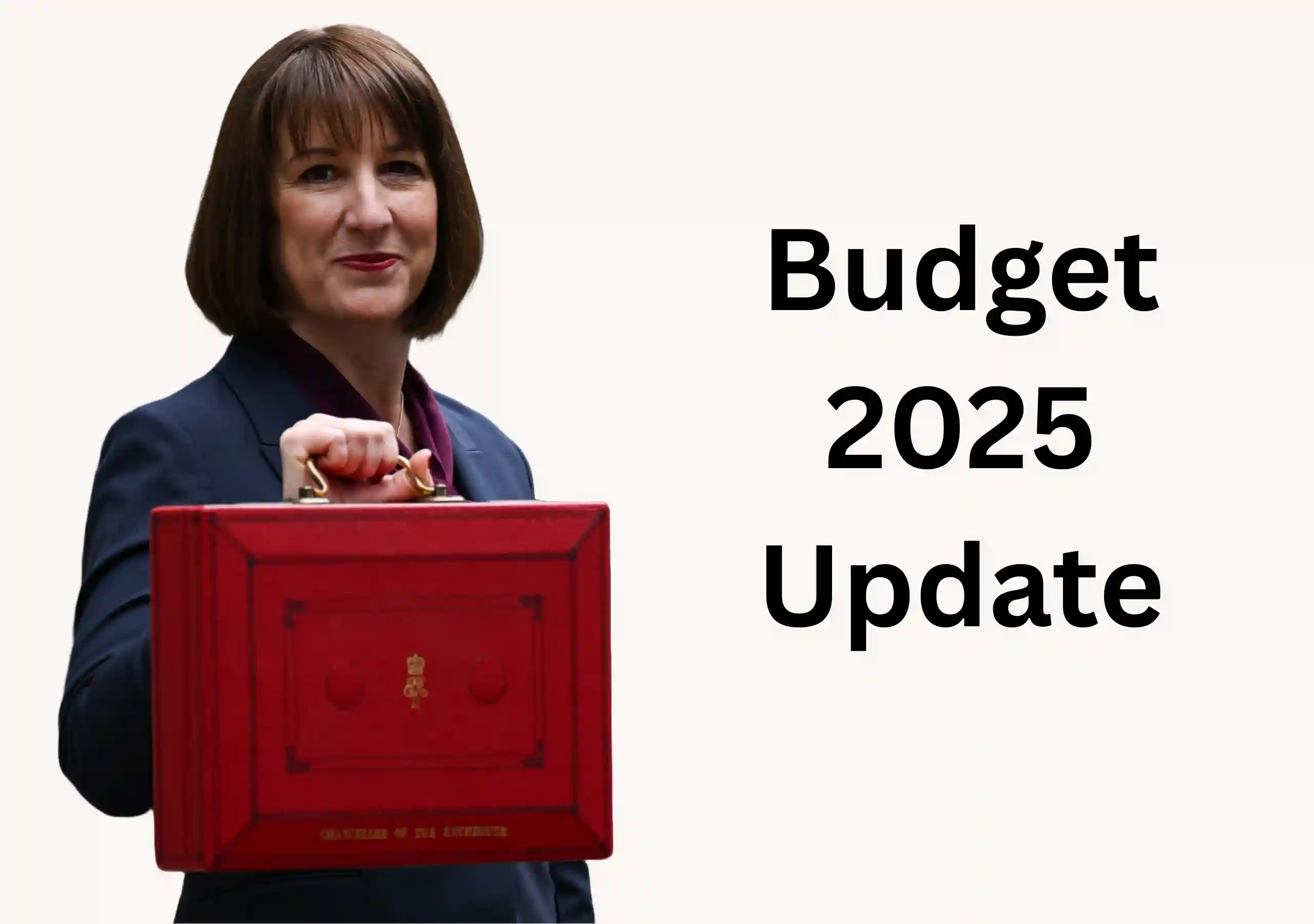

The Budget on 28 October 2026 didn’t raise the headline rates of income tax, National Insurance or VAT. It did make a lot of smaller changes, and most of them start in April 2027. Some will save you money. A few will cost landlords and company owners more. This guide covers what changed for the people we work with, and what’s worth doing before April.
Quick answer: The Autumn Budget 2026 raises tax on property and savings income to 24%, 44% and 49% from April 2027, triples the trading allowance to £3,000, halves the Business Asset Disposal Relief limit to £500,000 and keeps income tax thresholds frozen until 2031. Corporation tax stays at 25% and dividend tax is unchanged.
What changed in the Autumn Budget 2026?
| Change | What it means | From |
|---|---|---|
| Tax on property and savings income | Rates rise to 24% (basic), 44% (higher) and 49% (additional). Property rates apply in England, Wales and Northern Ireland. | 6 April 2027 |
| Trading allowance | Rises from £1,000 to £3,000. The level at which you must tell HMRC about trading income rises with it. | 6 April 2027 |
| Business Asset Disposal Relief | Lifetime limit cut from £1 million to £500,000. | 6 April 2027 |
| Capital allowances | Main-rate first-year allowance up from 40% to 50%. Main-rate writing-down allowance down from 14% to 12%. | 1 January 2027 (FYA); April 2027 (WDA) |
| Mileage allowance | Rate for business miles over 10,000 up from 25p to 35p. The 55p rate for the first 10,000 miles is made permanent. | 6 April 2027 |
| National Living Wage | Up from £12.71 to £13.21 an hour for workers aged 21 and over. | April 2027 |
| Income tax thresholds | Stay frozen, including the £12,570 personal allowance. | Until 2031 |
| Payments on account | To be replaced by more regular payments during the year, after a consultation. | April 2029 |
| Online marketplaces | Platforms become responsible for VAT on sales by UK businesses selling £90,000 or more through them. | 1 October 2027 |
What didn’t change: corporation tax stays capped at 25%. Dividend tax rates stay at the levels set in April 2026 (10.75% basic, 35.75% higher, 39.35% additional), with the £500 dividend allowance. The VAT registration threshold stays at £90,000.
What does the Budget mean for limited company directors?
For most owner-managed companies, the Budget is more about planning than about a bigger bill.
- Corporation tax is unchanged. The main rate stays at 25%, with the small profits rate of 19% for profits up to £50,000.
- Dividends weren’t touched again. The April 2026 rise still stands, and with thresholds frozen until 2031, more of what directors take out drifts into higher bands each year. If you haven’t reviewed your salary, dividend and pension mix since April, now is a good time.
- Selling the business? Check the timing. Business Asset Disposal Relief, which taxes qualifying gains at 18%, will only cover the first £500,000 of lifetime gains from 6 April 2027, down from £1 million. A sale that completes before then keeps the higher limit. A new Founders’ Relief at 10% on up to £10 million of gains is aimed at founders of larger, high-growth companies.
- Equipment and vans. The Annual Investment Allowance still gives 100% relief on most plant and machinery. The first-year allowance for main-rate assets rises to 50% from 1 January 2027, and the writing-down allowance on the main pool falls to 12% from April 2027, so relief on older assets will come through more slowly.
- Staff costs. The National Living Wage rises to £13.21 an hour from April 2027, and the rate for 18 to 20 year olds rises from £10.85 to £11.27. Build it into next year’s budget now.
What does the Budget mean for sole traders and the self-employed?
- The trading allowance triples to £3,000 from 6 April 2027. If your trading income is £3,000 or less, there’s no tax to pay and no need to tell HMRC. For the current tax year (to 5 April 2027), the limit is still £1,000.
- Making Tax Digital for Income Tax reaches anyone with qualifying income over £30,000 from April 2027, and over £20,000 from April 2028. The Budget confirmed that people joining in April 2027 won’t get late submission penalty points for quarterly updates in their first year.
- Payments on account are being reformed. From April 2029, the government plans to replace the two lump sums in January and July with more regular payments during the year. There will be a consultation first, so nothing changes yet.
- Mileage. If you drive more than 10,000 business miles a year, the rate for the extra miles rises to 35p from 6 April 2027. Keep a mileage log; it’s what supports the claim.
What does the Budget mean for landlords?
Landlords are the group hit hardest. From 6 April 2027, rental profits in England, Wales and Northern Ireland will be taxed at 24% for basic rate taxpayers, 44% for higher rate and 49% for additional rate. That’s four percentage points above the rates on earnings, and two points above the rates announced in the November 2025 Budget.
Compared with today’s rates, a landlord with £10,000 of rental profit will pay £400 more a year, whichever band the profit falls in. With thresholds frozen, more landlords will find part of their rent pushed into the higher band too.
Landlords with income over £30,000 from property and self-employment combined also join Making Tax Digital in April 2027. See Making Tax Digital for what it involves.
What does it mean if I sell online?
The bigger trading allowance helps people selling on Vinted, eBay and Etsy. From 6 April 2027, you’ll only need to tell HMRC about trading income over £3,000 a year, not £1,000. The rules on what counts as trading haven’t changed, and the platforms will still report sellers who make 30 or more sales or about £1,700 a year. See told to set up as a business on Vinted or eBay?
From 1 October 2027, platforms will become responsible for VAT on sales by UK businesses that sell £90,000 or more through them.
What should I do before April 2027?
- Selling a business or shares? Talk to us now if a sale might complete around April 2027. Before 6 April, the £1 million BADR limit still applies.
- Directors: review how you pay yourself, using this year’s profit and next year’s rules.
- Landlords: check how the higher rates affect your figures, and whether your property is held in the most suitable way. That’s a conversation to have before you change anything.
- Income over £30,000 from self-employment or property? Get your software and records ready for Making Tax Digital in April 2027.
- Buying equipment? Most purchases still qualify for 100% relief. Talk to us before buying anything big so it falls in the right year.
- Employers: budget for the new minimum wage rates from April 2027.
How can Worthwhile help?
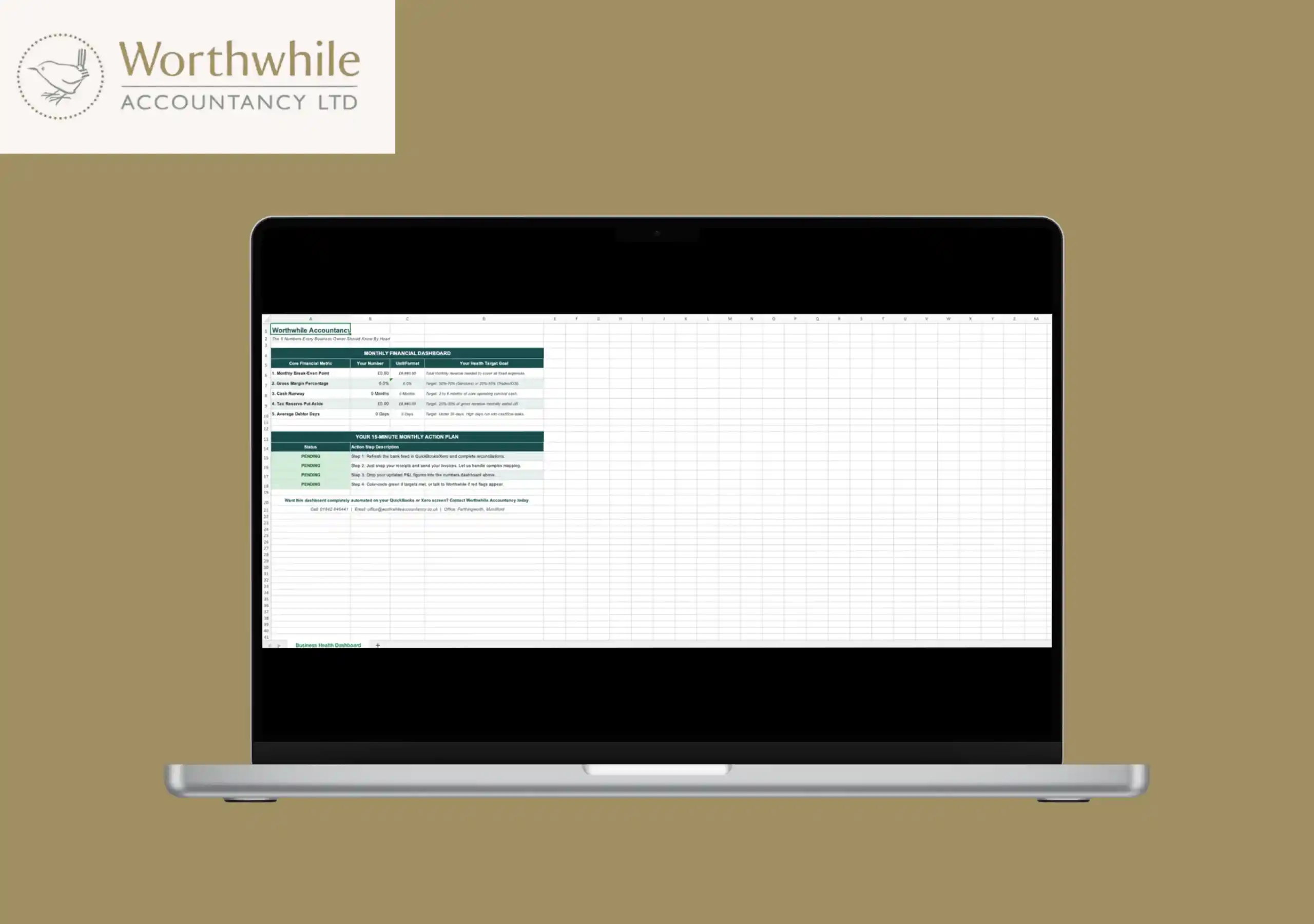
Every client’s Budget is different. If you’d like to know what this one means for you, call us on 01842 646441. For limited company directors, our free Director’s Numbers Check looks at what your company made, how long the cash lasts and what’s due to HMRC next. You can also send us a message.
Frequently asked questions
When was the Autumn Budget 2026?
The Autumn Budget 2026 was delivered on Wednesday 28 October 2026. Most of its tax changes take effect from 6 April 2027, the start of the 2027/28 tax year.
Did the Budget change dividend tax?
No. Dividend tax rates stay at 10.75% for basic rate taxpayers, 35.75% for higher rate and 39.35% for additional rate, the levels set in April 2026. The dividend allowance stays at £500.
Is the trading allowance going up to £3,000?
Yes. The trading allowance rises from £1,000 to £3,000 from 6 April 2027. The threshold for reporting trading income to HMRC through Self Assessment rises to £3,000 at the same time. For the 2026/27 tax year, it is still £1,000.
How much more tax will landlords pay?
From 6 April 2027, tax on rental profits in England, Wales and Northern Ireland rises to 24%, 44% and 49%, four percentage points above today’s rates. A landlord with £10,000 of rental profit will pay £400 more a year.
What is the new Business Asset Disposal Relief limit?
The lifetime limit for Business Asset Disposal Relief falls from £1 million to £500,000 for disposals from 6 April 2027. Gains within the limit are still taxed at 18%.
Are payments on account being scrapped?
The Budget announced plans to replace payments on account with more regular payments during the tax year from April 2029, after a consultation. Until then, payments on account are still due on 31 January and 31 July.